
GFCI Outlet Installation in Layton, UT
GFCI protection is what cuts the power in the fraction of a second between a fault and a shock. Older homes are usually missing it in most of the places code now requires it. We add it where it belongs, without rewiring your house.
Where Protection Is Required
Current code calls for GFCI protection in the places where water, concrete, or the outdoors meet an outlet.
Kitchens, countertop outlets
Bathrooms
Garages
Outdoor outlets
Unfinished basements
Laundry areas
Crawl spaces
Near pools and hot tubs
What a GFCI Actually Does
A regular breaker protects the wiring. It trips when a circuit draws more current than it was built to carry, which keeps the wires in your walls from overheating.
A GFCI protects the person. It watches the current going out against the current coming back, and if even a small amount is going somewhere it should not, such as through a person standing on a wet floor, it cuts the power in milliseconds. That difference is small enough that a normal breaker would never notice it.
That is why code puts them in kitchens, baths, garages, and outdoors. Those are the places where a fault has a path through a person instead of back through the wire.
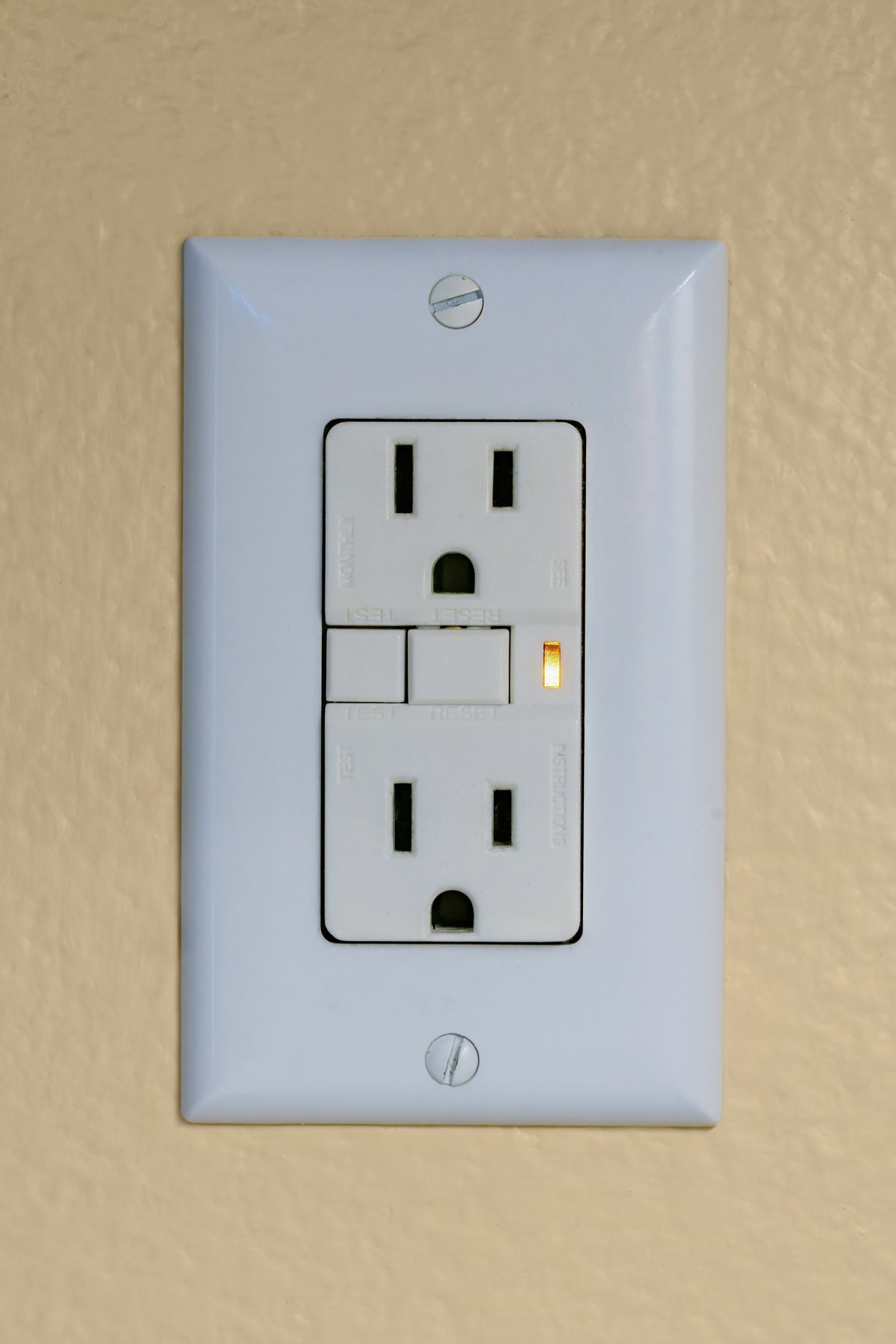
GFCI vs AFCI
| GFCI | AFCI | |
|---|---|---|
| Protects against | Shock from a ground fault | Fire from an arcing connection |
| Watches for | Current leaving the circuit | The electrical signature of an arc |
| Required in | Kitchens, baths, garages, outdoors, basements, laundry | Most living areas, including bedrooms |
| Typical trigger to add it | A remodel, a home sale, or an inspection | A remodel, a panel change, or new circuits |
Most homes need both, in different rooms. If you are adding one it is usually worth looking at the other at the same time, because the labor overlaps.
Why Older Layton Homes Are Usually Short
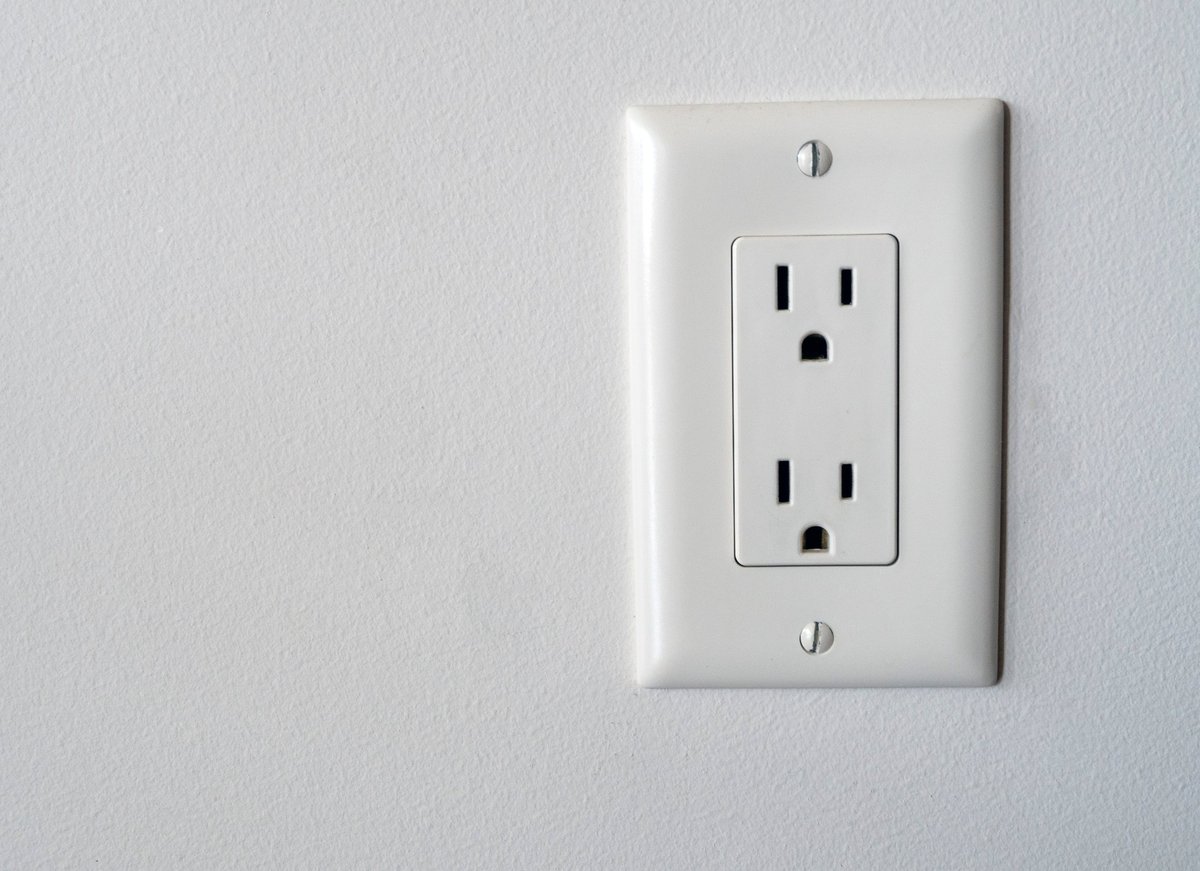
GFCI requirements have expanded steadily for decades. Bathrooms came first, then garages and outdoors, then kitchens, then basements and laundry areas. A house wired in 1972 met the code of 1972, and nobody goes back and retrofits a home just because the rules moved.
That is most of the older housing around Layton. The wiring is often perfectly sound. It is simply missing protection in rooms where protection is now standard, and the gap only surfaces when someone sells the house, finishes a basement, or has an inspection done.
The fix is rarely a rewire. In most cases it is a handful of devices in the right places, or a breaker swap at the panel.
Three Ways to Add It
GFCI receptacle
The outlet itself does the protecting, and it covers everything downstream of it on that circuit. Usually the cheapest option and the right one for a single room.
GFCI breaker
Protection happens at the panel, covering the entire circuit including every outlet, switch, and fixture on it. Better when a circuit runs through several rooms.
Dual-function breaker
GFCI and AFCI in one device. Often what makes sense during a panel upgrade, when both are being brought up to current code at once.
Kacey will tell you which applies to your situation. It depends on how the circuit is laid out, not on which one costs more.
How the Job Goes
A look at what you have. We check which circuits already have protection and which do not. Plenty of homes have partial coverage nobody knew about.
A straight recommendation. Receptacles, breakers, or a mix, with the reason for each. You get a real number before anything starts.
The install. Most jobs are a few hours. A whole-home retrofit of several circuits can run longer.
Testing every device. Each one gets tested with the test and reset buttons and a plug-in tester before we leave, so you know it works rather than just that it is installed.
You Talk Straight to Kacey
This is the kind of job where somebody could sell you twelve outlets when you need three. I would rather check what you already have, tell you what is actually missing, and do that.
Kacey Shaw
Owner, Shawk Electric

Where We Work
Based in Layton and serving Davis County and Salt Lake County.
Davis County
Salt Lake County
Common Questions
Look for outlets with test and reset buttons in your kitchen, bathrooms, garage, and outside. You may also have GFCI breakers in the panel, which protect outlets that look ordinary. If you are not sure, that is part of what we check.
Not Sure What You Have?
We will check which circuits are protected and which are not, and tell you what is actually worth adding. Free estimate, no pressure, no upselling.